How AI Photography Can Make or Break Your Photo Business
Artificial intelligence is rapidly changing professional photography, and photographers who understand how to use it may gain a significant advantage over those who either ignore it or depend on it too heavily. AI photography tools can now retouch portraits, replace backgrounds, remove unwanted objects, improve lighting, expand an image beyond its original borders, sharpen photographs, and even generate realistic scenes that never existed in front of a camera. For a professional photographer, these capabilities can save considerable editing time and make it possible to offer clients more creative options. A corporate headshot photographed against a simple background, for example, can potentially be transformed into several polished variations for a website, LinkedIn profile, marketing campaign, or company publication. AI can also help photographers rescue photographs that might otherwise have been difficult to deliver because of distracting backgrounds, poor weather, unwanted people, or other problems. Used properly, AI becomes another tool in the photographer's digital toolbox—much like Photoshop changed professional photography decades ago.
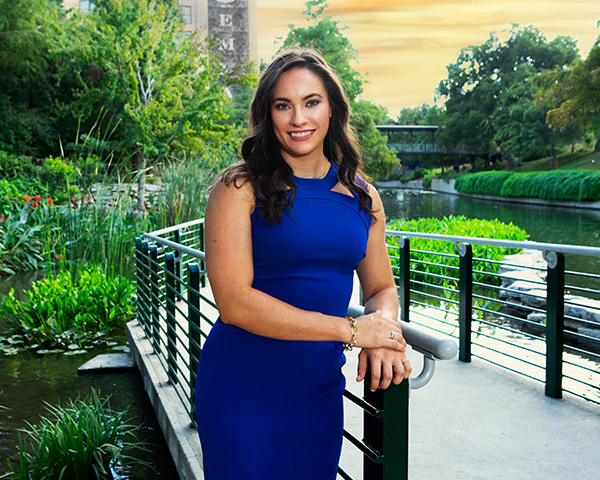
The danger begins when photographers start allowing AI to replace the skills clients originally hired them to provide. A successful portrait photographer still needs to understand lighting, posing, composition, lenses, facial expressions, body positioning, and how to make people feel comfortable in front of a camera. AI may be able to generate an impressive-looking photograph, but it cannot replace the experience of a photographer recognizing the exact moment when a client's expression looks natural and confident. This is especially important with professional headshots and business portraits. Small AI changes to a person's eyes, mouth, jawline, skin, hair, or facial proportions can produce an attractive image that no longer looks exactly like the person who walked into the studio. A photographer may think the AI version looks better, while the client may immediately say, "That doesn't look like me." Once that happens, the technology has stopped helping the photographer and has begun damaging the photographer's credibility. Clients generally expect professional retouching to make them look their best—not turn them into a different person.
AI can also create a serious marketing problem when photographers use generated images to advertise work they cannot consistently produce during an actual photography session. Imagine a portfolio filled with dramatic AI-generated corporate offices, luxury interiors, spectacular sunsets, perfect clothing, flawless hair, and beautifully generated backgrounds. A potential client sees those photographs and books a session expecting similar results. If the photographer cannot create photographs of comparable quality without relying on extensive artificial generation afterward, expectations and reality can quickly collide. There is also a growing value in authenticity. Businesses need headshots of their real employees, families want photographs of their real relatives, and individuals generally want portraits that still resemble them years later. This gives traditional photographers an important advantage. Instead of competing with AI by attempting to create increasingly artificial photographs, photographers can emphasize what AI cannot easily duplicate: personal service, genuine expressions, professional posing, carefully controlled lighting, location knowledge, and the human connection that happens during a real portrait session.
The photographers most likely to benefit from AI will probably be those who find the proper balance between traditional photography and new technology. Photograph the client correctly first. Get the lighting, expression, pose, wardrobe, camera angle, and composition right at the time of the session. Then allow AI to assist with tasks that improve the finished photograph without destroying its authenticity. Removing a distracting object, extending a background, cleaning up flyaway hairs, reducing temporary blemishes, improving a dull sky, or creating an additional background option can add real value to a professional photography service. Photographers can also use AI behind the scenes for business tasks such as brainstorming marketing ideas, writing website content, organizing workflows, developing social media concepts, and creating advertising more info variations. The key is remembering what the customer is actually purchasing. They are not simply buying pixels or an image file. They are paying for the photographer's experience, judgment, creativity, and ability to make them look good while still click here looking like themselves. AI can make a good photographer faster and more versatile, but when it keep reading becomes a substitute for photographic skill and authenticity, it can just as easily weaken the business. The future of professional photography does not have to be photographers versus AI. The stronger model may be skilled photographers using AI carefully while making sure the photographer—not the software—remains in control.